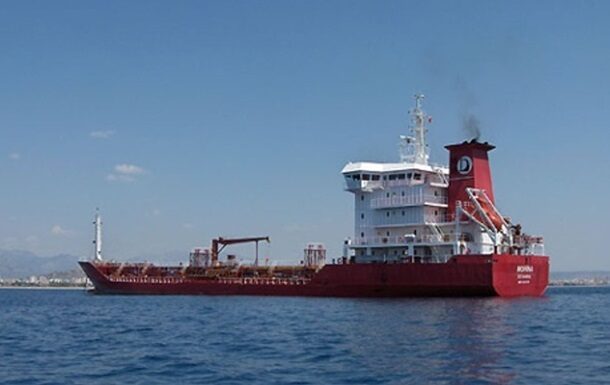
Yesterday’s storm in the Kerch Strait, a key maritime passage between mainland Russia and Crimea, transformed the tranquil waters into a scene of devastation for two Russian oil tankers—the Volgoneft-212 and the Volgoneft-239. The serene rhythm of daily life was shattered as nature unleashed its fury, leading to significant damage to these vessels.
The Volgoneft-212, constructed in 1969, could not withstand the storm's might. Tragically, the tanker broke apart and ran aground, causing the loss of one crew member, while additional crew found themselves injured and in need of urgent medical care. What courage and resolve they must have exhibited in those harrowing moments, trusting in their crewmates and rescue teams above anything else. Meanwhile, the Volgoneft-239, built in 1973, was left adrift. Fortunately, its crew of 14 remained safe, though their ordeal was not yet over as they awaited rescue amid the relentless storm.
Each of these tankers carried approximately 4,200 tonnes of oil products, a potent reminder of the scale of potential environmental disaster that hovered in the background of this human tragedy. The spill’s impact hangs as a shadow over the region, with Rosprirodnadzor specialists now tasked with understanding the ecological damages the storm wrought on these vital waters.
The Russian government, under the directive of President Vladimir Putin, has activated a robust response. Mi-8 helicopters and rescue tugboats have darted across the stormy strait, racing against time and elements to save lives and mitigate harm. President Putin has also ordered the formation of a working group to not only manage the rescue operations but also address the profound environmental implications of the oil spill.
In parallel, legal investigations have been initiated to probe any possible safety violations, an essential step in ensuring accountability and preventing future incidents in this crucial passage. The Kerch Strait stands as a strategic artery for Russian exports, its usual duties of grain, crude oil, and liquefied natural gas transport disrupted by this unforeseen catastrophe.
As the investigation unfolds, this incident serves as a somber testament to the perils of maritime transport, especially under adverse conditions. It underscores the necessity of adequately preparing for such crises, ensuring both human safety and environmental preservation. In the spill's aftermath, it is hoped that lessons will be learned to avoid future incidents, safeguarding both the people who work in these conditions and the delicate marine ecosystems that support a wealth of life.